Pest Control in Atlanta, GA: Termites, Roaches, Ants and the Rest
Pest control in Atlanta is mostly a question of what the house is built on and what grows around it. Wood framing over red clay, a crawlspace or a basement cut into a slope, and a yard full of oaks and leaf litter: that combination feeds termites, roaches and ants for most of the year.
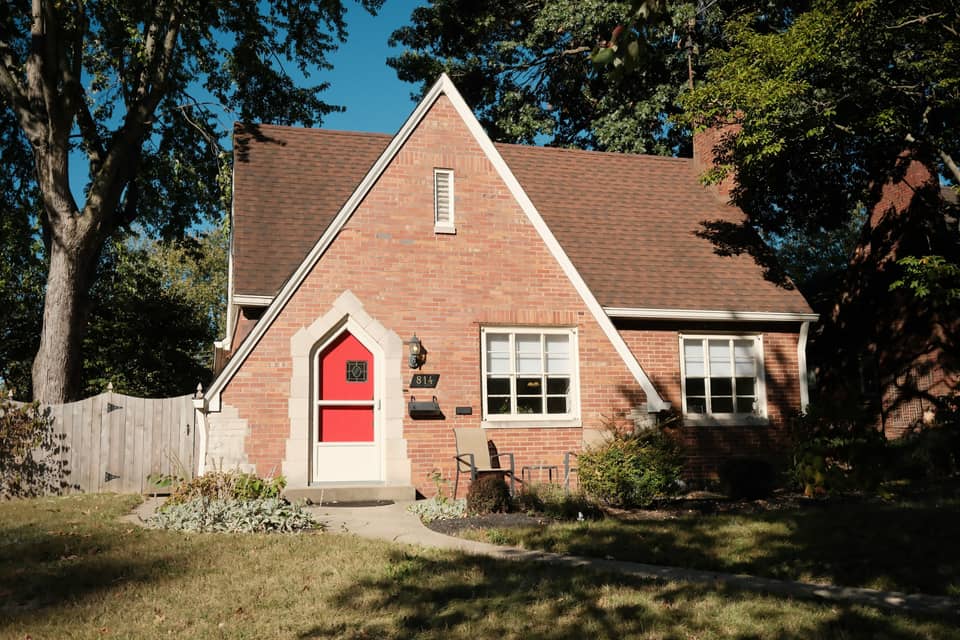
Start with whether the house is protected from termites
Before talking about roaches or ants, it is worth knowing where the house stands on termites, because that is the pest that costs real money. Every part of metro Atlanta has subterranean termites in the soil. The question for any given house is whether it has an active termite contract (what people here call a bond), when the last treatment was, and whether anything has changed since: an addition, a new deck, mulch piled against the siding, a downspout that now empties at the foundation.
If you do not know, the paperwork usually tells you. A Georgia termite contract has a boxed statement at the top of the first page saying whether it covers retreatment only, or retreatment and repair of damage. If you bought the house, the termite letter from the sale should say whether a treatment warranty existed and whether it could be transferred. The termite treatment page and the bond guide go through what to look for. General pest service and termite protection are separate contracts with most companies, priced separately.
What general pest service in Atlanta usually covers
The outside of the house
Most of the work is exterior. A perimeter treatment along the foundation and around doors, windows, vents and the places where pipes and cables go through the wall. Granules in planted beds and along the mulch line, which is where ants and roaches live. Sweeping eaves and soffits for wasp nests and webs. On a brick house with a crawlspace, the vents and the crawlspace door are checked too.
The inside, when it is needed
Interior treatment is usually targeted: baits and dusts in kitchens and bathrooms, behind appliances, in wall voids at plumbing penetrations, and in the basement or crawlspace. A good company will not spray baseboards in every room on every visit. If roaches or ants are coming from outside, the fix is outside.
How often
Quarterly is the common arrangement for a house in Atlanta, sometimes with a heavier first visit and a follow-up two to four weeks later. Some companies offer monthly or every-other-month service, often bundled with mosquito treatment in the warm months. Ask what happens between visits: most recurring plans include call-backs at no extra charge if pests come back, but the terms differ.
The pests behind most calls here
Roaches, two very different problems
The big dark roaches Atlantans call palmetto bugs or water bugs are mostly smokybrown and American cockroaches. They live outside, in leaf litter, mulch, gutters and hollow trees, and come in through gaps, drains and crawlspaces. The University of Georgia notes smokybrowns are most common in older neighbourhoods with mature hardwoods, which describes a lot of intown Atlanta. German cockroaches are small, tan, live indoors, breed fast and are the real infestation. They come in on grocery boxes, appliances and secondhand furniture, and in apartments and duplexes they move through shared walls. Each needs a different plan. The cockroach page explains both.
Ants
Odorous house ants and other small trailing ants are the usual indoor complaint, often in spring and after heavy rain floods their nests. Carpenter ants show up in wet, softened wood, often around old windows, porches and roof leaks, and are worth taking seriously because they point to moisture. Fire ants are a yard problem with their own page.
Camel crickets and spiders
Humpbacked camel crickets are common in Atlanta basements and crawlspaces, and they are a moisture symptom more than anything. A dehumidifier and sealing the gaps around the basement door do as much as any treatment. Spiders follow insects, so they fall when everything else falls. Black widows are found in Georgia, usually in undisturbed places like woodpiles, meter boxes and crawlspaces.
Fleas, mosquitoes and fire ants
These are yard and pet problems that run from spring well into fall here, and they are usually separate add-on services rather than part of a quarterly plan. They have their own pages.
Why Atlanta houses get more of this than you might expect
Three local conditions do most of the work. The first is the tree canopy. Georgia Tech's study for the city put Atlanta's canopy at about 46 percent of its land area, among the highest of any large US city. Shade and leaf litter keep soil damp and give roaches, ants and mosquitoes somewhere to live right next to the house. The second is the clay. Georgia's red clay drains slowly, so water sits against foundations and under crawlspaces after a storm, and damp soil is what subterranean termites need to reach wood. The third is age. A large share of intown housing, from Inman Park and Grant Park to Virginia-Highland and Kirkwood, is a century old, built on piers or brick foundations with crawlspaces and wood close to soil.
Newer houses are not immune. Slab construction hides termite entry points along the slab edge and at plumbing penetrations, and the new houses replacing older ones in Brookhaven, Sandy Springs and Smyrna were all treated for termites before construction. That treatment has a contract period, and many owners do not know when theirs ran out.
What the visit and the paperwork should look like
Georgia gives you specific rights here, and they are useful for telling a careful company from a careless one. The company must show you its Georgia Department of Agriculture business licence if you ask. Its vehicles must be permanently marked with the company's full name. Every time something is applied, you are owed a written service record that names the pesticide, its EPA registration number, how much was used, the target pest, where it went and who applied it.
You can check any company's licence, and the certification of the person who signs your termite contract, on the state's online lookup at kellysolutions.com/ga/structural, or by calling the Department of Agriculture's structural pest section. Ask for the company name before the visit and look it up. It takes a minute.
Pets, children and what gets applied
Ask what will be used and where, and ask for the label if you want it. Most modern residential treatments are applied at low rates to specific spots: baits in stations or as gel in cracks, dusts in voids, liquids along the foundation outside. The usual instruction is to keep people and pets off a treated area until it is dry. If someone in the house is pregnant, has asthma or keeps fish, birds or reptiles, say so before the visit so the plan can be adjusted. Georgia law also lets you treat your own property yourself, and for a single trail of ants in the kitchen that is often reasonable.
What it costs, roughly
Recurring service on a typical Atlanta house is generally quoted per visit, commonly in the region of $95 to $200 a quarter, with a first visit that costs more because it does more. Mosquito and flea yard treatments are priced separately, usually per monthly visit through the warm months. Termite work is priced by the house, not the visit, and is a separate contract.
What moves the general service price: the size of the house and lot, a crawlspace or basement, how bad things are at the start (a German cockroach infestation needs several visits close together), and what is bundled. The cost guide goes through each of those. Ask for the written quote to say what is and is not covered, and whether call-backs between visits are free.
Call for a free quote. Say what you are seeing and whether the house is on a crawlspace, a slab or a basement, and a local company will set up a visit and put a price in writing.
| Pest | When it is worst here | Where it comes from | What usually works |
|---|---|---|---|
| Subterranean termites | Swarms Feb–Apr; feeding all year | Soil, through mud tubes | Soil treatment or bait stations under a written contract |
| Smokybrown / American roaches | Warm months, after storms | Leaf litter, trees, drains, crawlspaces | Exterior treatment, sealing gaps, gutters cleared |
| German cockroaches | Any time of year | Indoors, carried in | Baits, growth regulators, several close visits |
| Odorous house ants | Spring, after heavy rain | Nests in mulch and walls | Baits rather than sprays, exterior work |
| Mosquitoes | Spring to fall | Standing water in containers | Removing water, then monthly yard treatment |
| Fire ants | Spring and fall, after rain | Mounds in sunny lawn | Broadcast bait, then individual mounds |
Where we work in Atlanta
- Inman ParkIntown eastlaid out in the 1880s as the city's first planned suburb; Victorian houses on piers and brick foundations, where a termite inspection means getting into a tight crawlspace
- Virginia-HighlandIntown northeast1910s and 1920s bungalows under big oaks; the hardwood canopy is exactly where smokybrown roaches nest before they move indoors
- KirkwoodIntown eastCraftsman bungalows, many being renovated; opened-up walls and new additions are when old termite damage tends to surface
- Grant ParkIntown southeastVictorian cottages and bungalows around the park; old wood porches and steps sitting close to soil are the usual termite entry points
- West EndSouthwest Atlantaone of the oldest neighbourhoods in the city, with Queen Anne and Craftsman houses; Fulton County has trapped West Nile mosquitoes at sites here before
- BuckheadNorth Atlantalarge wooded lots running down to Peachtree and Nancy creeks; shade, leaf litter and creek-side yards keep mosquito and roach pressure high
- Morningside-Lenox ParkIntown northeast1920s and 1930s Tudors and cottages beside the creek preserve; partial basements dug into sloping clay lots are where moisture and termites meet
ZIP codes served30305 · 30306 · 30307 · 30309 · 30310 · 30312 · 30316 · 30317 · 30318 · 30324 · 30327 · 30342
Common questions
How much does pest control cost in Atlanta?
Quarterly general pest service on a typical house is commonly quoted around $95 to $200 a visit, with a higher first visit. Termite protection is a separate contract priced by the house, and mosquito or flea yard treatment is usually a separate monthly charge. The company that inspects sets the price; ask for it in writing.
Is quarterly service enough in Atlanta?
For most houses, yes, once an existing problem is under control. A German cockroach infestation is the exception: it needs several visits a few weeks apart before a quarterly schedule makes sense. Mosquitoes are also outside a quarterly plan because they need monthly attention while it is warm.
Does general pest control include termites?
Usually not. Termite protection in Georgia is a separate written contract with its own rules, diagram and renewal fee. If a quote seems to include termites in a low monthly price, ask to see the termite contract itself and read the boxed statement at the top.
Why do I see big roaches even though the house is clean?
Because those are outdoor roaches. Smokybrown and American cockroaches live in leaf litter, trees and drains and wander in, especially after heavy rain or a cold snap. Sealing gaps, clearing gutters and treating the exterior deals with them far better than spraying inside.
What are the jumping bugs in my basement?
Almost always camel crickets. They are harmless but thrive in damp basements and crawlspaces. Lowering the humidity and sealing the gaps where they get in does most of the work; treatment helps around the edges.
Do you handle mice and rats?
Some Atlanta pest companies do rodent work and some refer it out. Say so when you call and it will be checked before anyone is sent, rather than finding out at the door.
Is pest treatment safe for pets?
Most residential treatments are applied in small amounts to specific places and the usual instruction is to keep pets off treated areas until dry. Tell the company about pets, fish, birds or reptiles before the visit, and ask for the label of anything they plan to use.
How do I check that the company is licensed?
Use the Georgia Department of Agriculture lookup at kellysolutions.com/ga/structural, or phone the department. Any company providing pest control in Georgia needs a company licence, and the person responsible for each category of work must be a certified operator.
Can I cancel a pest control contract?
Georgia termite contracts must disclose a three-day right to cancel, and recurring service agreements have their own terms. Read the cancellation and renewal sections before signing, and ask whether there is a fee for ending a recurring plan early.
Are you the pest control company?
No. This site is an advertising and referral service run by Pinecrest Advisory Services, LLC. Your call or request goes to an independent Georgia-licensed pest control company. We hold no licence, do no treatment, and do not set the price.
Other pest work in Atlanta
- Termite Treatment in Atlanta, GA
- Termite Inspections and Termite Letters in Atlanta
- Cockroach Control in Atlanta
- Mosquito and Flea Control in Atlanta
- Fire Ant Control for Atlanta Yards
Also serving
General Pest Control is available beyond Atlanta, across Decatur , Sandy Springs , Brookhaven and Smyrna .
Ask about general pest control
Say what you are seeing and where, and a local pest control company will follow up, usually within a few days for an inspection. Answered Mon–Sat, 8am–6pm · after hours we call back the next morning Or call (470) 665-4393 if it is a swarm in the house or a closing date this week.